Discovering the Unique Habitats of Butterflies: Butterfly Habitats and Conservation
- Fen Bushu
- 2 days ago
- 5 min read

Butterflies are some of the most enchanting creatures we can encounter in nature. Their delicate wings, vibrant colours, and graceful flight captivate us and invite us to explore the world they inhabit. But have you ever stopped to wonder where these beautiful insects live and thrive? Understanding the unique habitats of butterflies is not only fascinating but also essential for their conservation. Today, I want to take you on a journey through the diverse environments butterflies call home and share why protecting these habitats matters deeply.
Exploring Butterfly Habitats and Conservation
Butterflies are incredibly diverse, with over 20,000 species worldwide. Each species has adapted to specific habitats that provide the food, shelter, and conditions they need to survive. From lush tropical rainforests to sunny meadows and even urban gardens, butterflies have found ways to flourish in many places.
One of the most important things to know is that butterflies rely heavily on plants. Their caterpillars feed on particular host plants, while adult butterflies seek nectar from flowers. This close relationship means that the health of butterfly populations is directly linked to the health of their habitats.
For example, the Monarch butterfly is famous for its migration across North America, but it depends on milkweed plants for its caterpillars to grow. Without milkweed, Monarchs cannot complete their life cycle. Similarly, the Purple Emperor butterfly in Europe thrives in ancient woodlands where its caterpillars feed on specific tree leaves.
Conservation efforts often focus on protecting these critical habitats. By preserving wildflower meadows, woodlands, and wetlands, we help ensure butterflies have the resources they need. Planting native flowers and avoiding pesticides in gardens can also make a big difference. Every small action contributes to a larger movement to support butterfly populations.
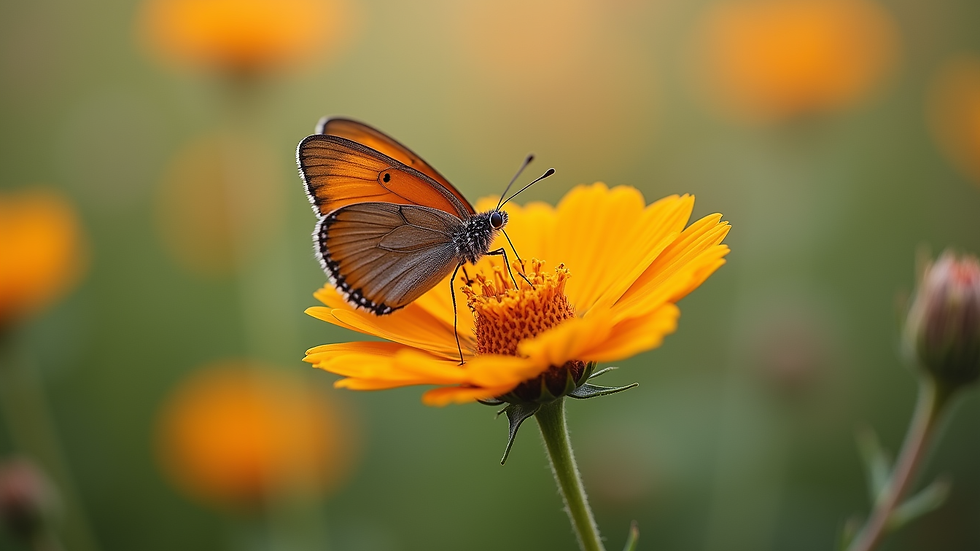
The Role of Gardens and Urban Spaces in Butterfly Conservation
You might think that butterflies only live in untouched natural areas, but many species have adapted to urban environments. Gardens, parks, and even balconies can become mini-habitats for butterflies if we create welcoming conditions.
Planting nectar-rich flowers like lavender, buddleia, and marigolds attracts adult butterflies. Including host plants such as nettles or fennel supports caterpillars. Avoiding chemical pesticides and providing sunny spots for basking are also important.
Urban butterfly gardens not only help local butterfly populations but also bring nature closer to us. They offer a chance to observe these delicate creatures up close and foster a deeper appreciation for biodiversity. Schools, community groups, and individuals can all contribute by creating butterfly-friendly spaces.
If you want to learn more about butterfly habitats and conservation, visiting places like butterfly world can be inspiring. These centres showcase a variety of species and educate visitors about the importance of protecting their environments.
Why has Butterfly World closed?
While many butterfly conservatories and gardens have thrived, some have faced challenges leading to closures. Butterfly World, once a popular destination for enthusiasts and families, closed due to a combination of factors.
Financial difficulties played a significant role, as maintaining large butterfly habitats requires substantial resources. Additionally, changes in visitor patterns and increased operational costs made it hard to sustain the facility. The closure was a loss for the community, as it was a place that connected people with nature and raised awareness about conservation.
However, the spirit of Butterfly World lives on through online resources, community projects, and smaller local initiatives. These efforts continue to promote the values of unity, reflection, and environmental stewardship that Butterfly World championed.
How Different Habitats Support Butterfly Diversity
Butterflies have evolved to thrive in a wide range of habitats, each offering unique conditions and challenges. Let’s explore some of the key habitats and what makes them special for butterflies.
Tropical Rainforests
Tropical rainforests are home to the greatest diversity of butterfly species. The warm, humid climate and dense vegetation provide abundant food and shelter. Many butterflies here have striking colours and patterns that help them blend into the vibrant surroundings or warn predators of their toxicity.
Meadows and Grasslands
Open meadows filled with wildflowers are ideal for many butterfly species. These habitats offer plentiful nectar sources and host plants. The sunlight and gentle breezes create perfect conditions for butterflies to fly and mate.
Woodlands and Forest Edges
Woodlands provide shelter and a variety of plants for caterpillars. Forest edges, where sunlight meets shade, are especially rich in butterfly activity. Species like the Purple Emperor and the Speckled Wood thrive in these transitional zones.
Wetlands and Marshes
Wetlands support butterflies that prefer moist environments. Plants like willows and sedges serve as host plants. These habitats are also crucial for maintaining the overall health of ecosystems that butterflies depend on.
Urban and Suburban Areas
As mentioned earlier, urban areas can support butterflies if designed thoughtfully. Gardens, parks, and green roofs can mimic natural habitats and provide essential resources.
By understanding these habitats, we can better appreciate the complexity of butterfly life and the importance of protecting diverse environments.

How You Can Help Protect Butterfly Habitats
Protecting butterfly habitats might seem like a big task, but there are many simple and effective ways you can contribute. Here are some practical steps:
Plant Native Flowers and Host Plants
Choose plants that are native to your region. They provide the best food and shelter for local butterflies.
Avoid Pesticides and Herbicides
Chemicals can harm butterflies and their caterpillars. Opt for natural pest control methods.
Create Sunny, Sheltered Spots
Butterflies love warmth and protection from wind. A sunny corner with some shelter can be a perfect resting place.
Support Conservation Projects
Donate to or volunteer with organisations working to protect butterfly habitats.
Educate Others
Share your knowledge and enthusiasm with friends, family, and community groups.
Participate in Citizen Science
Join butterfly counts or monitoring programmes to help track populations and habitat health.
Every action, no matter how small, helps build a healthier environment for butterflies and all wildlife.
Embracing the Beauty and Importance of Butterfly Habitats
Discovering the unique habitats of butterflies opens our eyes to the delicate balance of nature. These habitats are not just homes for butterflies; they are vital parts of ecosystems that support countless other species, including us.
By learning about and protecting butterfly habitats, we nurture a deeper connection to the natural world. This connection inspires us to care for our environment and each other, fostering a sense of community and shared responsibility.
I encourage you to explore your local green spaces, plant a butterfly-friendly garden, or simply pause to watch a butterfly flutter by. In doing so, you become part of a larger story - one of hope, beauty, and conservation.
Together, we can ensure that the enchanting world of butterflies continues to thrive for generations to come.


Comments